Budget-Friendly Meal Prep Tips: Eat Clean Without Breaking the Bank


If you’ve ever walked out of a grocery store in NYC feeling personally attacked by your receipt… trust me, you’re not alone. Eating healthy in a big city feels expensive, but with the right strategy, it doesn’t have to be. My husband and I have figured out a system that keeps us eating clean, balanced, and delicious meals—without overspending. And today, I’m sharing our exact routine so you can do the same.
This guide blends my real-life habits with my experience as a personal chef (aka: someone who grocery shops a lot). If your goal is to save money, eat clean, and simplify your week, this post is for you.
1. Buy in Bulk (Your Wallet Will Thank You Later)
One of the biggest ways we save money is by buying groceries in bulk every two to three weeks. We’re loyal BJ’s shoppers—mainly for meats, pantry items, and produce. Bulk shopping might feel like a big upfront expense, but the long-term savings are huge, especially for high-quality proteins.
As a personal chef, I’m very familiar with grocery prices. For clients, I mostly shop at Whole Foods because they’re looking for specialty items and premium quality. But for everyday people trying to save money while still eating clean? BJ’s, Costco, Lidl, Aldi, and Trader Joe’s are where the deals are hiding.
How I handle bulk meat:
As soon as I get home from a large haul—or early that week—I block time to portion everything out. Trust me, this step makes your entire week easier.
For example, when I buy the large pack of ribs (usually 3–4 racks):
I split each rack
Lightly season with salt, pepper, and garlic
Put each one in its own zip-top bag
Leave one in the fridge for the week
Freeze the rest for future meals
I do this with all my meats. One of my favorites? Whole chickens. I know, I know… but hear me out: they’re the best deal for poultry. If you have a sharp knife and a little patience, you can break one down into multiple cuts for a fraction of the cost. It’s a game-changer.
2. Affordable In-Between Grocery Runs
Bulk shopping covers most of our needs, but for fresh items like produce, dairy, and eggs, I’ll pick up smaller grocery runs in between at:
Lidl
Aldi
Trader Joe’s
I'll grab berries, bananas, cottage cheese, and eggs if we're low or out of stock on these items, plus grab some veggies like zucchini, green beans (the frozen french green beans are also great), and broccoli. This rotation keeps our fridge fresh and our budget tight. Because I shop for clients several times a week, I’ve learned exactly where to go for specific items and where prices fluctuate—and trust me, you don’t have to shop at expensive stores to eat well.
3. Keep a Shared Grocery List (This Changed Everything)
If you struggle with staying consistent, this habit is going to change your life.
My husband and I keep a shared grocery list on our iPhone Notes app. Everything we regularly buy lives on this list—produce, pantry items, dairy, meats, and household items. We add to it as needed, but honestly, it rarely changes anymore because we’ve narrowed down exactly what works for us.
This list helps us stay organized, avoid impulse buys, and stick to our budget. It also keeps us focused on what we already have versus what we think we need.
4. Prepare Your Meal Prep Family Style
(This is how I prep for clients + how I stay consistent at home)

Family-style meal prep is my secret weapon. It keeps your fridge organized, meals interesting, and your week stress-free.
Instead of portioning out five identical meals for the week, I prepare bigger batches of a few different proteins, a couple of veggies, and—if we want—a simple carb. We mostly eat low-carb, so we don’t always include a grain or starchy vegetables, but when we do it’s usually something quick like farro or couscous. For a more budget-friendly-healthy grain or starchy vegetable, brown basmati rice, whole wheat or whole grain pasta, sweet potatoes, and squash.
Here’s a typical week in our fridge:
Proteins:
Mediterranean meatballs or sautéed ground meat
Roasted chicken
Grilled chicken thighs
Baked salmon
Vegetables:
Roasted zucchini with peppers and onions
Sautéed green beans with garlic and shallots
Roasted broccoli & carrots
A mixed greens salad kit for quick lunches
Optional carb:
Farro
Couscous
Quinoa
All the food gets stored in separate containers—protein in one, veggies in another—so we can mix and match throughout the week.
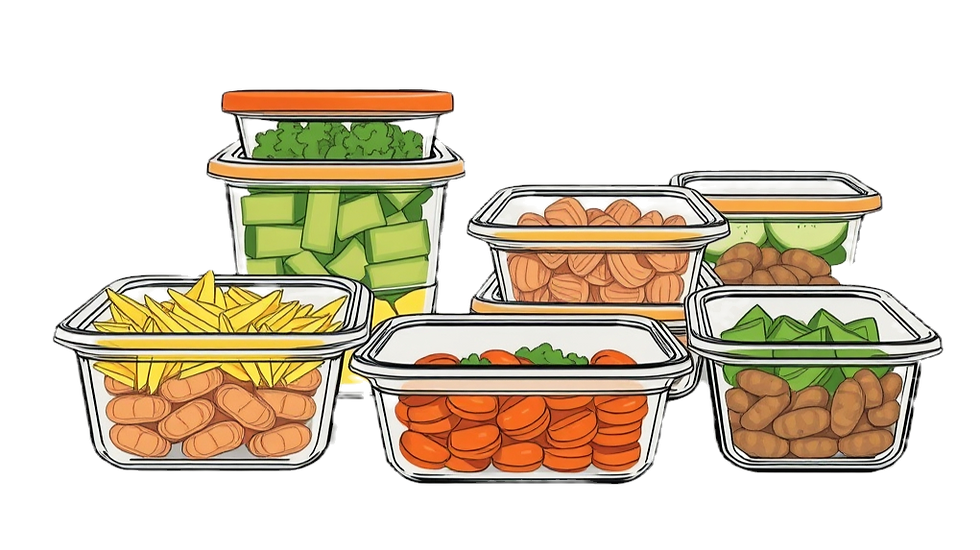
This style of meal prep lets you:
Plate meals differently each day
Keep things interesting and flexible
Add quick items like wraps or salads
Reduce food waste
Save time in the kitchen
For example, grilled chicken with roasted veggies one night… or sliced chicken with peppers and onions wrapped in a low-carb wrap the next day. Endless options.
5. Reduce Waste by Cooking What’s Already in Your Kitchen
Before we shop, we go through our fridge and pantry to see what we already have. This is where the real savings happen.
My husband is from Umbria, Italy, where nothing goes to waste. They’d use veggies from their garden, meats from their livestock, and every part of every ingredient. That old-school mentality rubbed off on me in the best way.
And here’s the thing: In America, 30–40% of food goes to waste. That breaks my heart… and it hurts our wallets.
So we stay mindful. If something is close to going bad, I’ll use it immediately—often in a large batch of soup.
And my favorite? Minestrone. You can make minestrone with literally any veggies you have on hand.
Easy, Clean, Cozy Minestrone (My Go-To Zero-Waste Soup)
This minestrone is flexible, comforting, and perfect for using up veggies that are on their last leg.

Ingredients:
2 tbsp olive oil
1 onion, chopped
2–3 garlic cloves, minced
2 carrots, chopped
2 celery stalks, chopped
Any veggies you need to use up (zucchini, potatoes, kale, peppers, etc.)
1 can crushed tomatoes
4–6 cups vegetable or chicken broth
1 can cannellini or other legumes
1 tsp dried basil
1 tsp dried oregano
Salt & pepper
Optional: leftover pasta or rice
Optional: parmesan rind for extra flavor
Instructions:
Heat the oil in a large pot.
Add onion, garlic, carrots, and celery; sauté until softened.
Add the remaining veggies and cook a few minutes.
Pour in tomatoes and broth.
Add beans, spices, salt, pepper, and parmesan rind if using.
Simmer 20–30 minutes until everything is tender.
Add cooked pasta or rice at the end if you want it heartier.
It’s cozy, inexpensive, and unbelievably delicious.
Final Thoughts: Eating Clean on a Budget Is Possible
One last tip I suggest is to avoid going to the grocery store hungry. Here is where you fall off track because you are buying with your stomach versus your brain. Even if it means to gobble up a bowl of cottage cheese real quick, scramble some eggs, or make a protein shake, just eat something quick- preferably high in protein so your body is satiated, so you can stick to the plan. Healthy eating doesn’t have to be overly complicated or expensive. With a little planning—buying in bulk, refreshing produce from affordable stores, keeping a shared grocery list, prepping meals family style, and being mindful of waste—you can save money every single month and keep your meals clean and delicious.
Once you get into your rhythm, it becomes second nature.


Comments